
Easy Dinner Cleanup Tips to Save Time and Effort
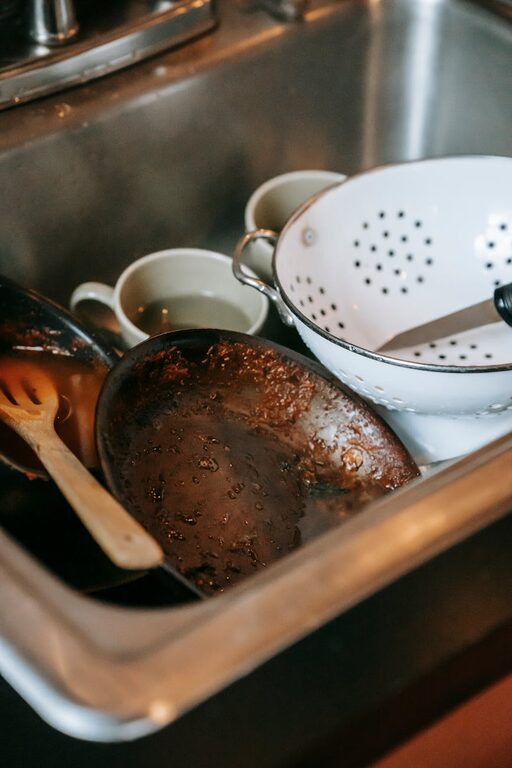
Making dinner is often the highlight of the day, but the cleanup afterward can quickly drain your energy and time. Whether you cook for yourself, your family, or guests, spending less time washing dishes and tidying up means more time to relax and enjoy your evening. Fortunately, with some simple strategies and habits, dinner cleanup can become easier and less overwhelming.
In this post, we’ll explore practical ideas to streamline your dinner cleanup process. From organizing your kitchen to using clever tools, these tips aim to lighten your load and keep your kitchen clean with minimal effort.
1. Plan Your Meal with Cleanup in Mind
Choosing what to cook can influence how much mess you make.
– One-pot or one-pan meals: These recipes contain everything in one dish, reducing the number of utensils and dishes to wash.
– Sheet pan dinners: Roasting proteins and vegetables on a single baking sheet not only simplifies cooking but limits cleanup.
– Minimalist cooking: Recipes with fewer ingredients or steps usually mean fewer bowls and tools to clean.
By selecting meals with fewer components, you naturally reduce the clutter.
2. Prepare Your Workspace Before Cooking
Setting up your kitchen before cooking helps keep the mess contained.
– Gather all ingredients and tools: Having everything at hand prevents cross-contamination and reduces the need to search through cupboards mid-cooking.
– Use bowls for scraps: Place a small bowl or container nearby to collect vegetable peelings and other scraps for easy disposal.
– Line pans or trays: Use parchment paper or silicone baking mats to minimize sticking and reduce scrubbing later.
Taking a few minutes upfront saves time and effort when the meal is done.
3. Clean as You Go
This classic approach is one of the most effective ways to keep the kitchen tidy.
– Wash or rinse utensils and bowls immediately: Instead of leaving everything at the sink, clean tools you no longer need during cooking.
– Wipe surfaces regularly: Spills and crumbs are easier to wipe up right away before they dry or spread.
– Load the dishwasher progressively: If you use a dishwasher, load it during cooking to avoid a pileup afterward.
Cleaning small messes as you cook prevents a daunting cleanup at the end.
4. Use the Right Tools to Simplify Cleanup
Investing in some helpful kitchen tools can make a big difference.
– Non-stick cookware: Reduces food sticking and simplifies washing.
– Silicone spatulas and utensils: Easy to clean and less prone to retaining food.
– Dish drying rack with draining board: Drains water away efficiently and keeps counters dry.
– Dishwasher: If you don’t have one, consider adding a compact model or using countertop dish racks for better organization.
These tools save time and effort during and after cooking.
5. Organize Your Sink and Trash Area
Your cleanup zone should be optimized for efficiency.
– Use a dual-compartment sink or basin: One for washing and one for rinsing dishes.
– Have a designated spot for dirty dishes: Avoid spreading mess around the kitchen.
– Keep trash and compost bins nearby: Food scraps and packaging can be discarded quickly without extra steps.
A tidy and well-planned cleanup station encourages prompt dishwashing.
6. Delegate and Share Responsibilities
Cleanup doesn’t have to be a solo job.
– Involve family members: Assign tasks like loading the dishwasher, wiping counters, or rinsing vegetables.
– Turn cleaning into a group activity: Put on some music and work together — it’s more enjoyable and faster.
– Set cleanup routines: Having fixed roles or schedules ensures everyone contributes and messes don’t pile up.
Sharing the workload keeps everyone engaged and reduces stress.
7. Use Disposable or Reusable Liners and Covers
Minimize dishwashing by using liners that catch spills.
– Parchment paper: Perfect for baking sheets and roasting pans.
– Silicone mats: Durable alternatives to parchment and easy to clean.
– Aluminum foil: For roasting or grilling, though less eco-friendly, it cuts down on scrubbing.
These liners prevent food from sticking to pans and trays.
8. Rinse and Soak Dishes Right Away
Dried-on food is harder to clean.
– Fill pots, pans, or bowls with warm water and a drop of detergent: Soaking loosens stubborn residues.
– Start rinsing utensils and plates immediately: This prevents buildup and reduces scrubbing time.
Taking this little step right after dinner makes washing much easier.
9. Keep Cleaning Supplies Handy and Organized
Having everything within reach speeds up the process.
– Store sponges, brushes, and cloths near the sink: So you don’t waste time searching.
– Use caddies or containers: Keep your cleaning tools organized and dry.
– Replace worn-out items regularly: Effective tools clean better and faster.
An organized setup encourages frequent and thorough cleanup.
10. End with a Quick Kitchen Tidy-Up
After dishes are done, spend a few minutes resetting the space.
– Wipe counters and stove tops: Clean surfaces prevent stains and lingering odors.
– Sweep or mop floors if needed: Catch crumbs and spills before they dry.
– Empty the trash bin regularly: Avoid odors and clutter.
A final wipe-down keeps your kitchen welcoming for your next meal.
—
With these ideas, making dinner cleanup easier is within reach. Whether you adopt a few tips or combine many, the key is consistency and planning. Soon, you’ll find cleanup no longer feels like a chore but a simple part of your cooking routine. Enjoy more time at the table and less time scrubbing!